Clinical Chemistry Reagents Buying Guide for Diagnostic Labs
What laboratories and distributors should review when sourcing clinical chemistry kits for routine biochemistry testing.
Map your routine test menu first
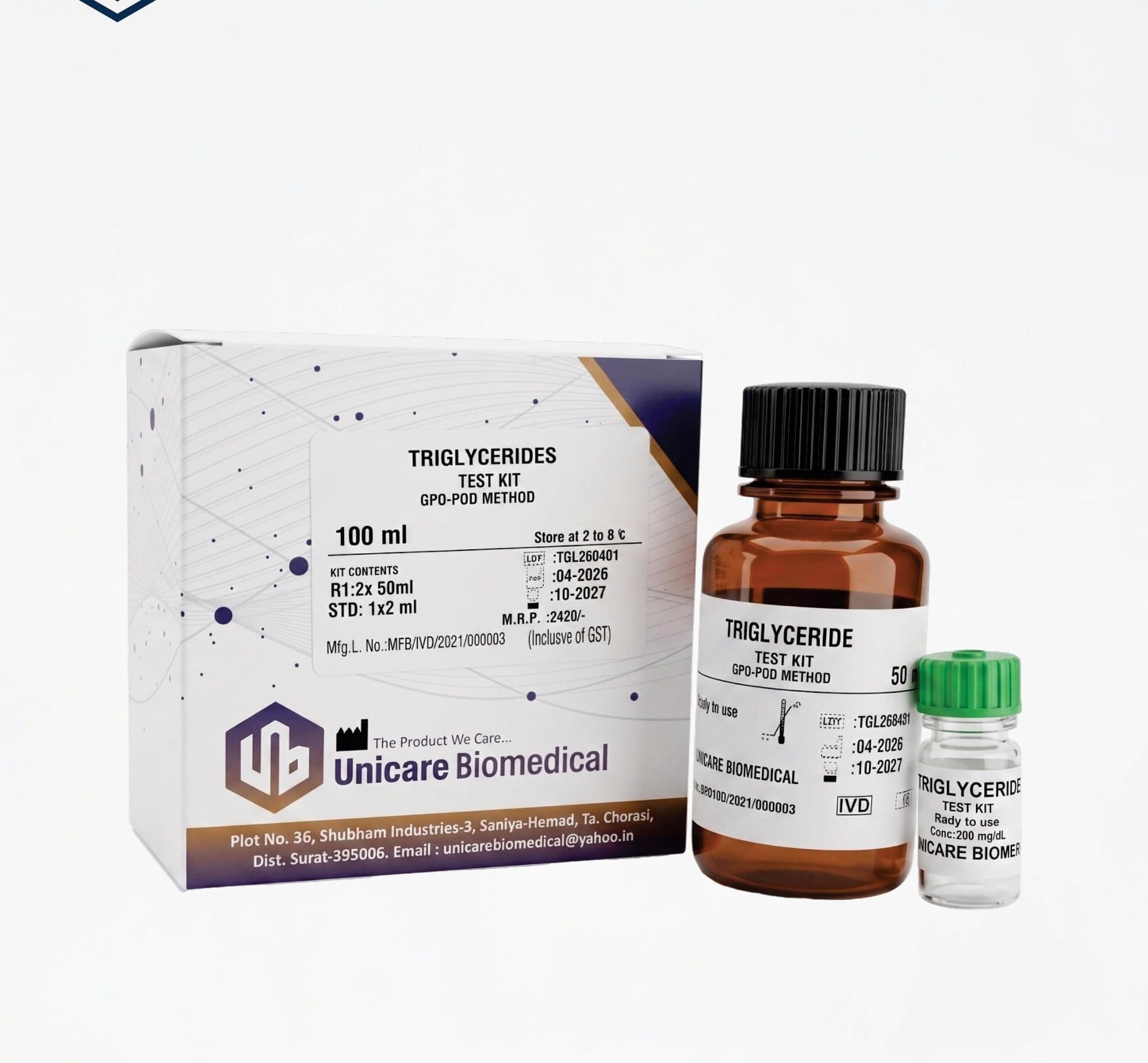
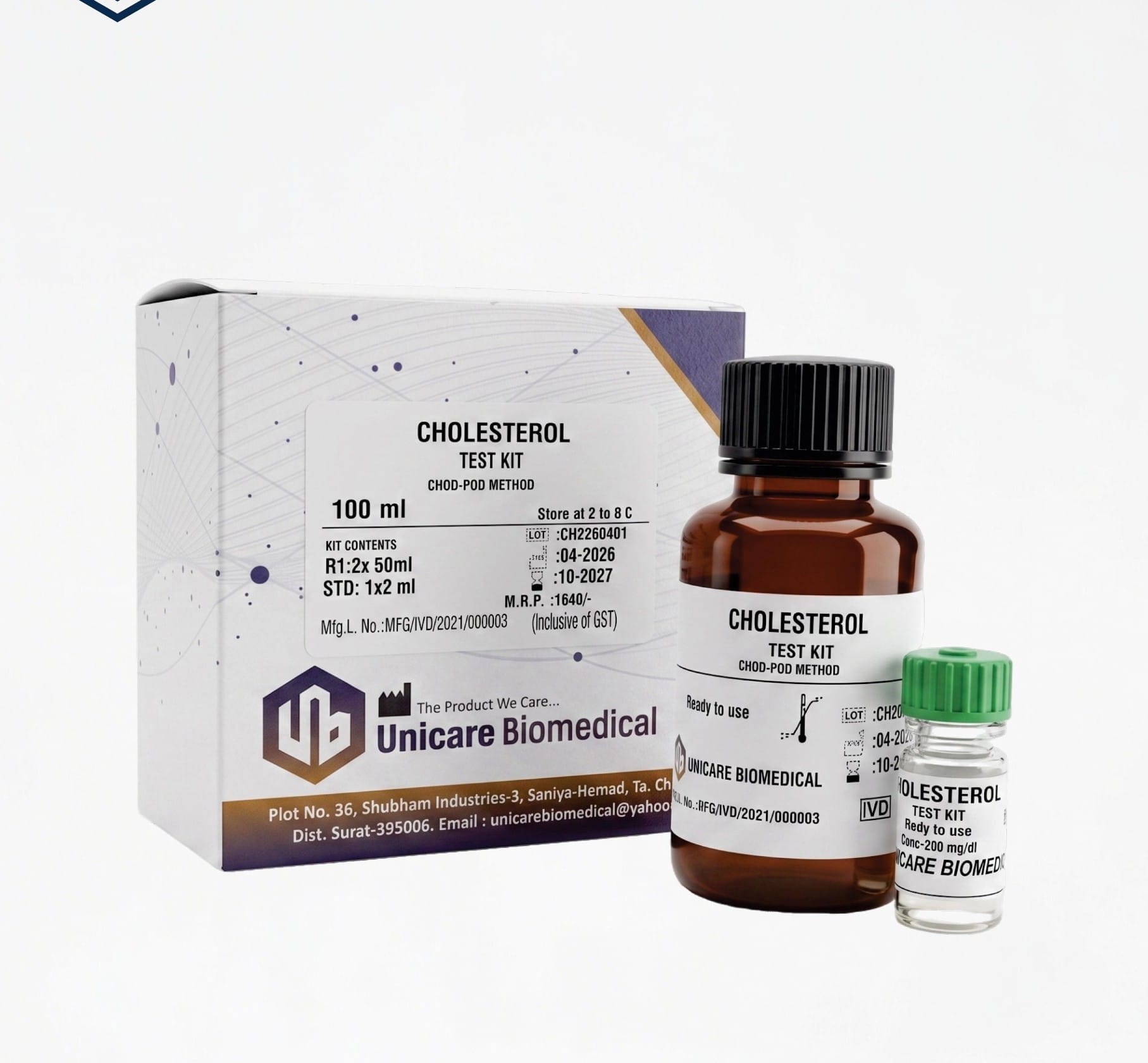
Clinical chemistry reagent sourcing starts with the lab test menu. Products such as glucose, cholesterol, triglycerides, creatinine, urea, bilirubin, and liver enzyme kits are common in daily diagnostic workflows.
A clear test menu helps the purchase team request the right products, pack sizes, and quantities from suppliers or distributors.
Check method and pack-size information
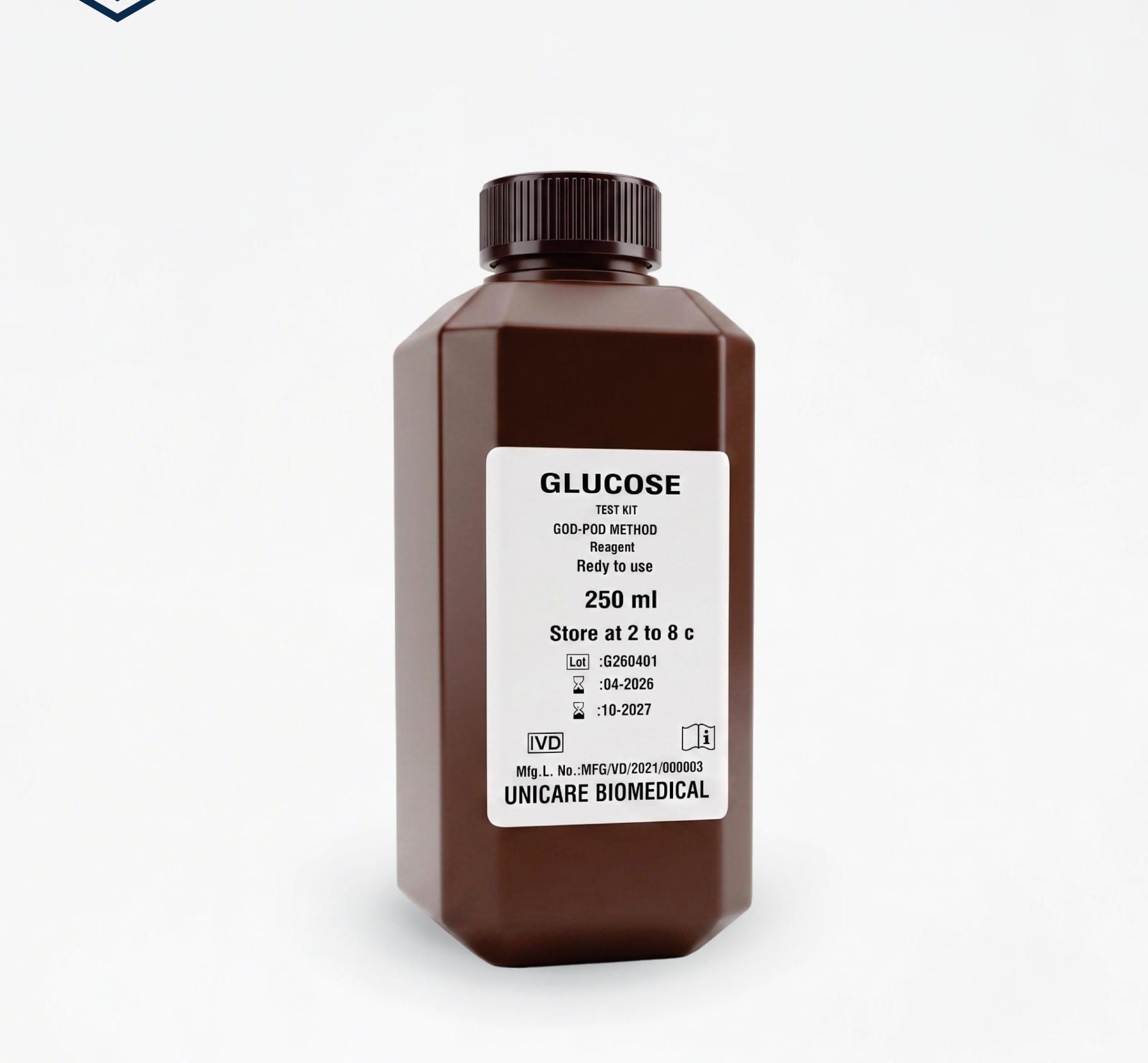
Diagnostic buyers should review product method, pack size, reagent format, label clarity, and storage communication. These details help laboratories compare products more efficiently and reduce confusion during quotation requests.
Unicare Biomedical product pages display method and pack information wherever available so visitors can make a more useful inquiry.
Think beyond one kit
Many laboratories do not source just one chemistry kit. They need a repeatable supply path across routine testing categories. A supplier with a broader chemistry portfolio can simplify product comparison and procurement planning.
For distributors, a grouped product range also makes catalogue presentation easier for hospitals, clinics, and pathology labs.
Keep inquiry details ready
When requesting a quote, include the product names, expected quantity, location, buyer type, and any distributor or export requirement. This gives the supplier enough context to respond with relevant information.