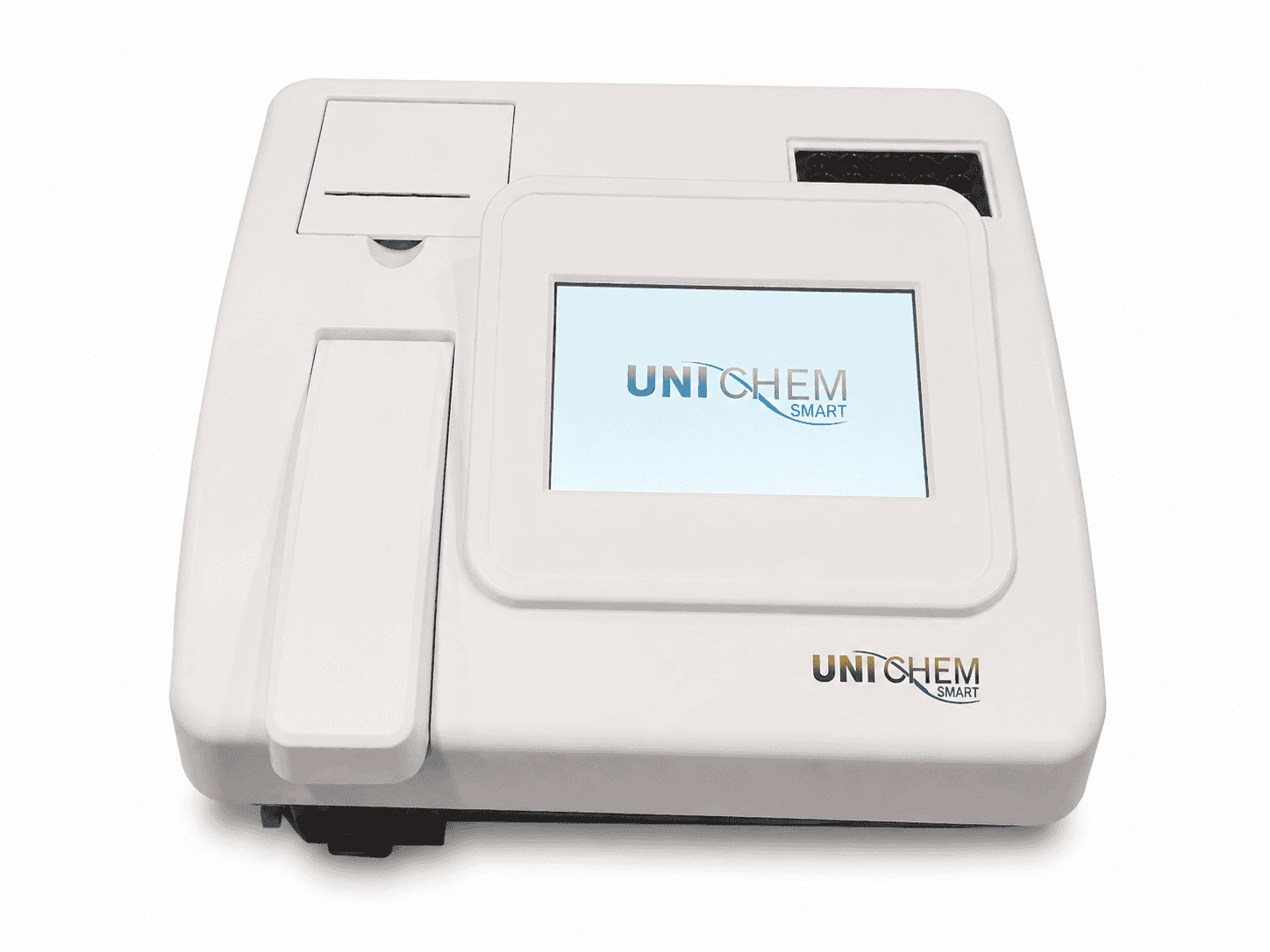
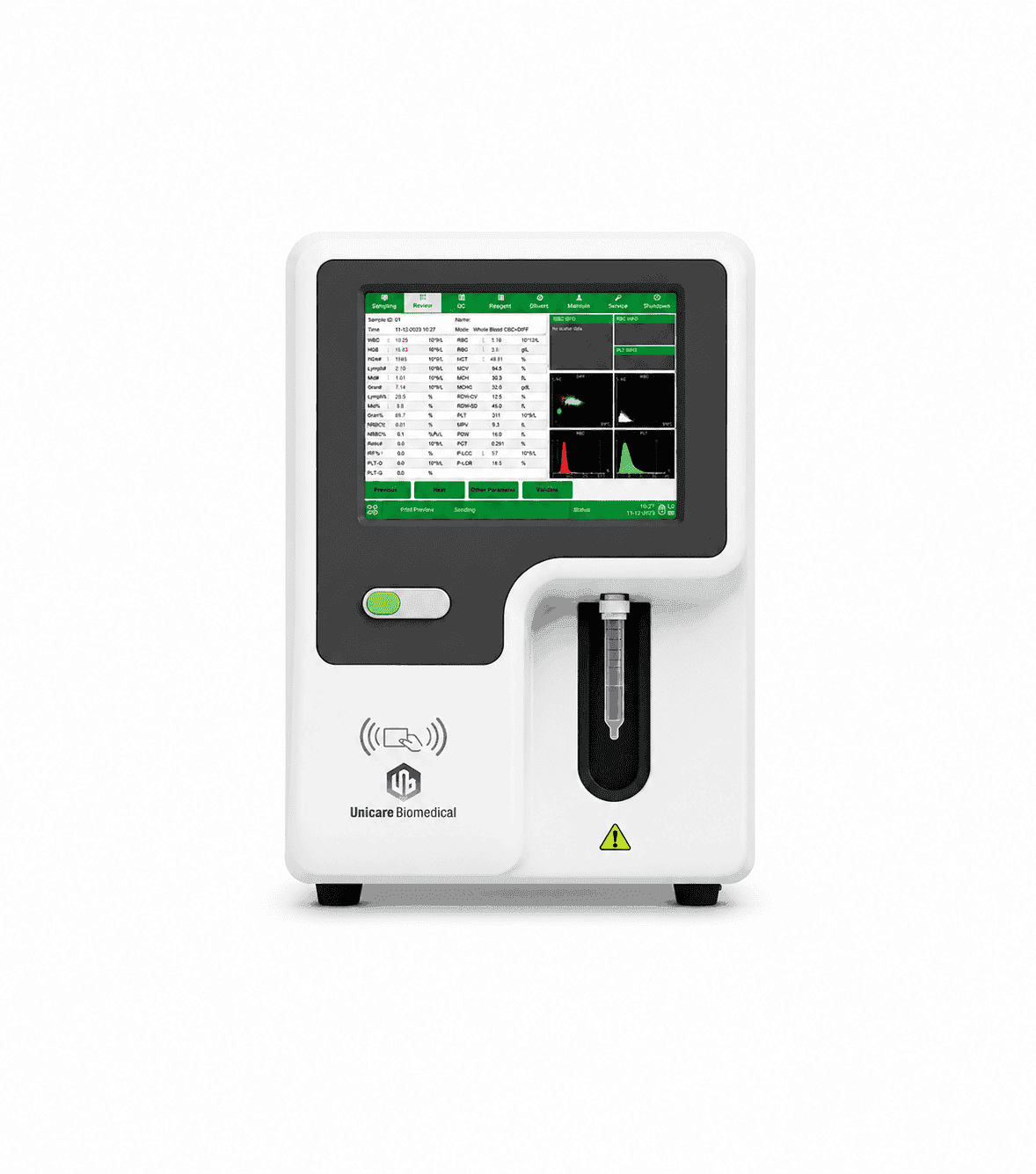
How to Choose a Hematology Analyzer for a Pathology Lab
A practical guide for laboratories comparing 3-part and 5-part hematology analyzers, CBC workflow needs, reagent planning, and supplier support.
Start with the lab workload
A hematology analyzer should fit the daily sample volume, report format, and staff workflow of the laboratory. Small and medium diagnostic centers often need dependable CBC reporting with simple operation, while higher-volume labs may need deeper differential reporting and stronger quality control routines.
Before comparing models, list the number of samples per day, expected peak hours, available bench space, and the reporting needs of doctors or referring clinics.
Understand 3-part and 5-part analyzer fit
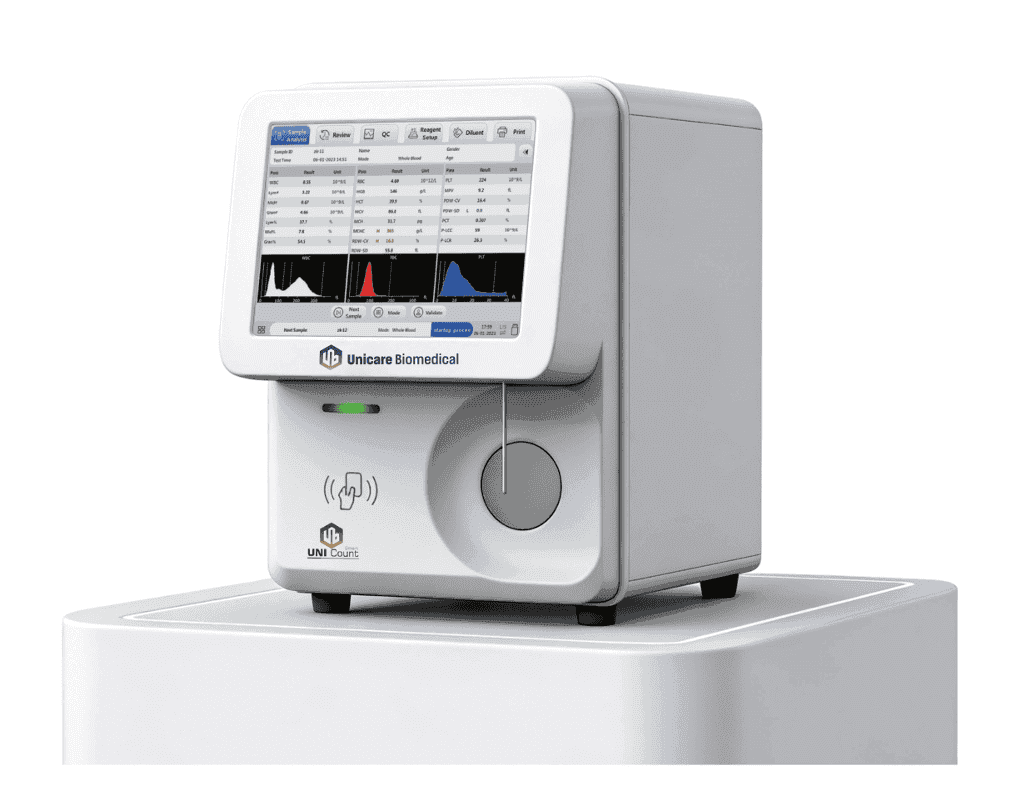
A 3-part hematology analyzer groups white blood cells into three major populations and is commonly used for routine CBC workflows. A 5-part analyzer gives a more detailed differential, which can be useful for laboratories that need broader reporting depth.
The right choice depends on clinical requirements, workload, budget planning, and how the lab wants to position its hematology service.
Do not separate equipment from reagents
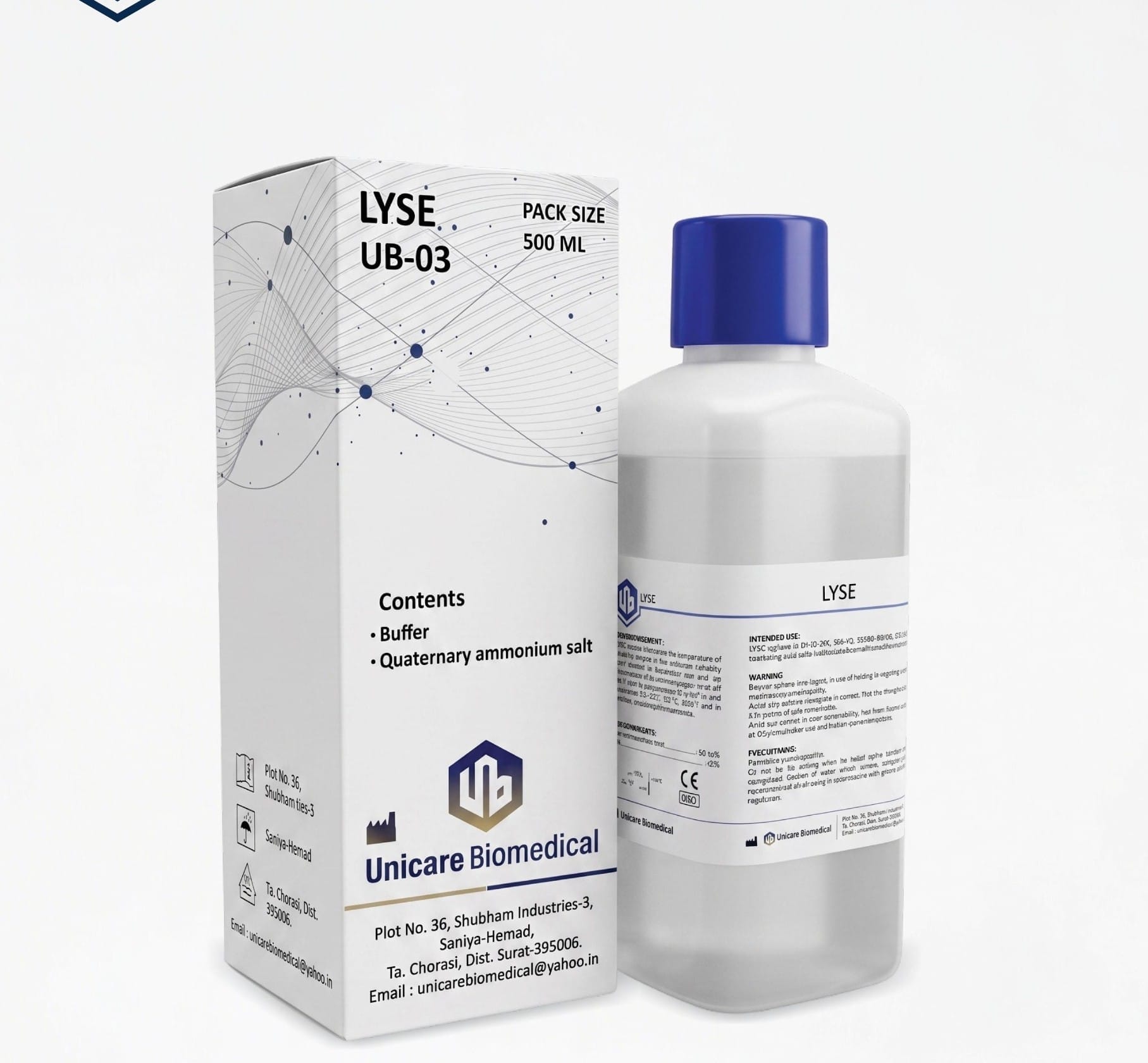
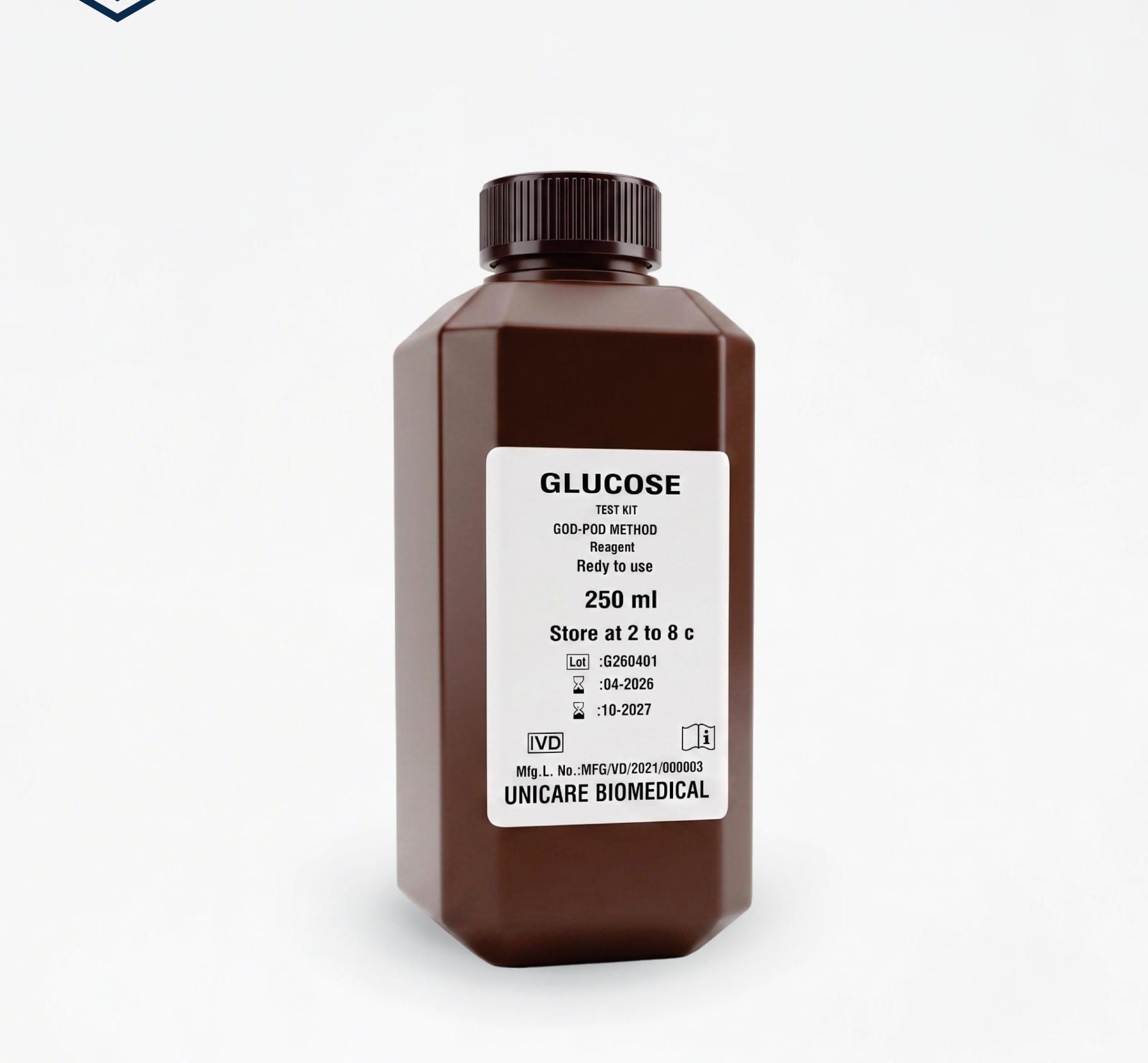
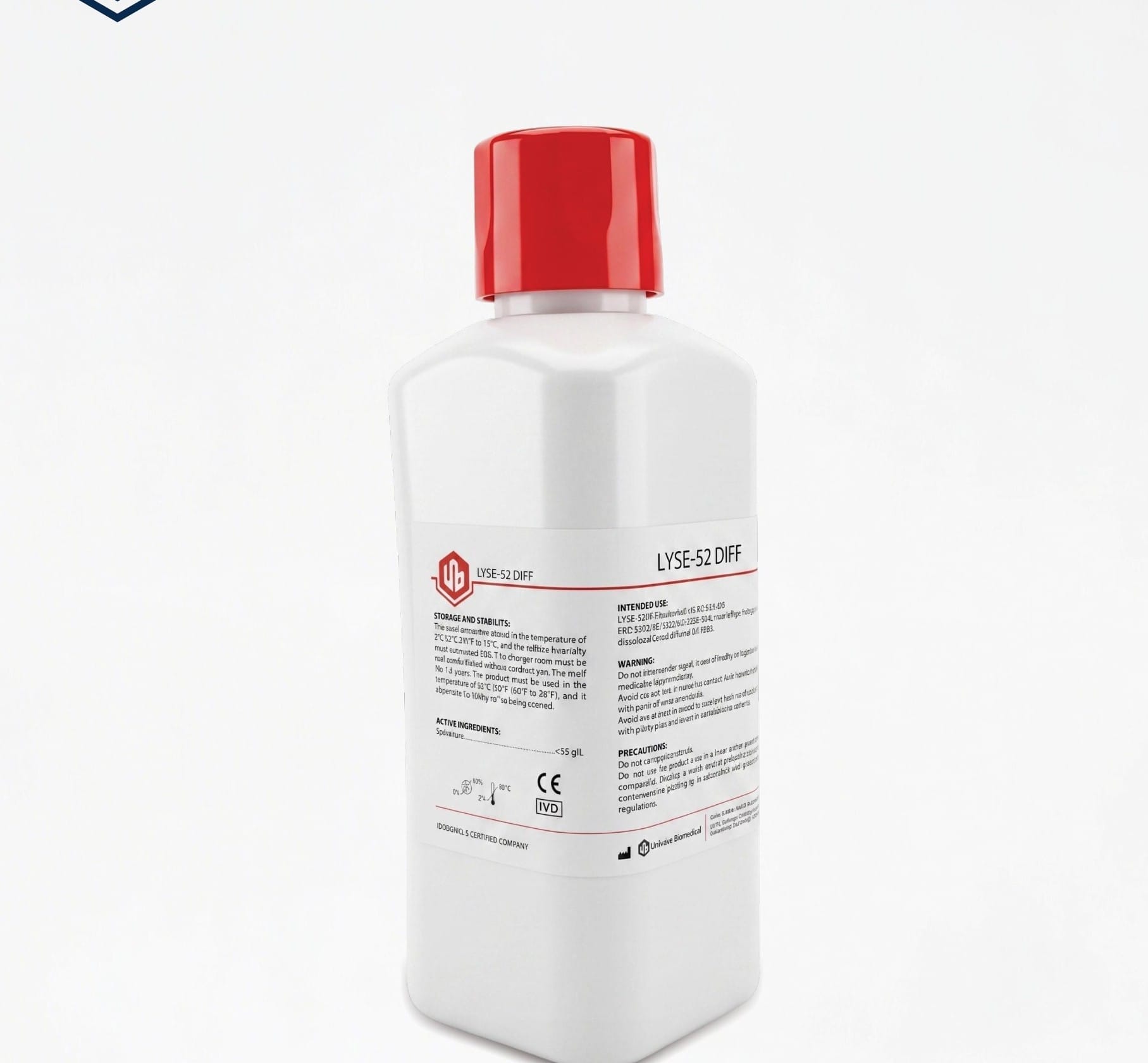
Analyzer performance depends on a consistent supply of compatible reagents, diluent, lyse, controls, and cleaning materials. Procurement teams should consider equipment and consumable availability together so routine work is not interrupted after installation.
A supplier who can discuss analyzers and hematology reagents in one conversation usually makes purchase planning easier for labs and distributors.
Check supplier support before finalizing
Good product information is only one part of the decision. A practical supplier should respond clearly, provide product documentation where available, and support installation, service, and follow-up conversations.
Unicare Biomedical supports analyzer, reagent, and laboratory product inquiries from Surat, Gujarat, India for local, India-wide, and worldwide buyers.